Eggplant cultivation | A Complete Guide to Planting, Caring for, and Harvesting Eggplant Correctly
Eggplant cultivation is an excellent opportunity for growers and wholesale buyers seeking a profitable, versatile, and high-demand product. This vegetable stands out for its mild flavor, firm texture, and wide range of uses in professional kitchens. At AgroFresh Mexico, we understand that consistent supply and uniform quality make all the difference. That is why we work with eggplant crops grown using responsible practices, ensuring freshness, quality, and on-time delivery. If you are looking for reliable suppliers, understanding the eggplant growing process will help you make better business decisions.
What is eggplant cultivation?
Eggplant cultivation is the agricultural process focused on producing this vegetable under optimal conditions of temperature, soil, and management. It requires warm climates between 25 and 30°C, direct sunlight, and soils rich in organic matter. Well-managed eggplant crops guarantee high-quality fruit, ideal for large-scale distribution. For those who wish to grow eggplants for commercial purposes, it is essential to understand every stage of the process, from planting to harvest.
The success of eggplant cultivation depends on proper planning and execution. Here’s how to achieve it.
Soil Preparation
The soil should be loose, well-drained, and rich in nutrients. Before starting to grow eggplants, work in compost or organic matter to improve fertility. Healthy soil allows for better root development and promotes productivity in eggplant crops.
Choosing Seeds
Selecting certified seeds is key to ensuring uniformity and quality. At AgroFresh Mexico, we choose varieties adapted to the Mexican climate and geared toward export, optimizing eggplant cultivation for demanding markets.
Sowing and Germination
Sowing takes place in the spring. Seeds germinate in seedbeds under controlled conditions. This step is essential for properly starting eggplant cultivation and ensuring vigorous plants.
Eggplant Transplanting
When the plant has 4 to 5 leaves, it is time to transplant. This step strengthens crop development and allows for better growth control in eggplant crops.
Planting Distance
Maintaining an appropriate distance is essential. We recommend 80 cm between rows to allow for ventilation and optimal growth.
At AgroFresh Mexico, we implement practices such as:
Selection of certified seeds suited to the market
Sustainable cultivation with controlled irrigation and soil monitoring
Precise harvesting at the optimal time
Refrigerated packaging and transport to preserve freshness
These practices enhance the quality of our eggplant cultivation and ensure products are ready for wholesale distribution.
Caring for During Eggplants Cultivation
Proper care of eggplants is essential for producing high-quality fruit. If you’re wondering how to care for your eggplant crop, consider the following:
- Consistent watering, avoiding waterlogging
- Direct sunlight throughout the growing cycle
- Staking to support plant growth
- Preventive pest control
- Regular fertilization with balanced nutrients
- Soil monitoring to maintain optimal conditions
Applying these care practices significantly improves eggplant crop yield.
Common problems in eggplant cultivation
During eggplant cultivation, certain issues may arise that affect production:
Pests such as aphids or mites
Fungal diseases caused by excess moisture
Deformed fruits due to poor pollination
Slow growth due to lack of nutrients
Flower drop due to water stress
Identifying these problems early allows you to keep your eggplant crops healthy and ensure the final quality of the product.
When should you harvest eggplants, and how do you do it correctly?
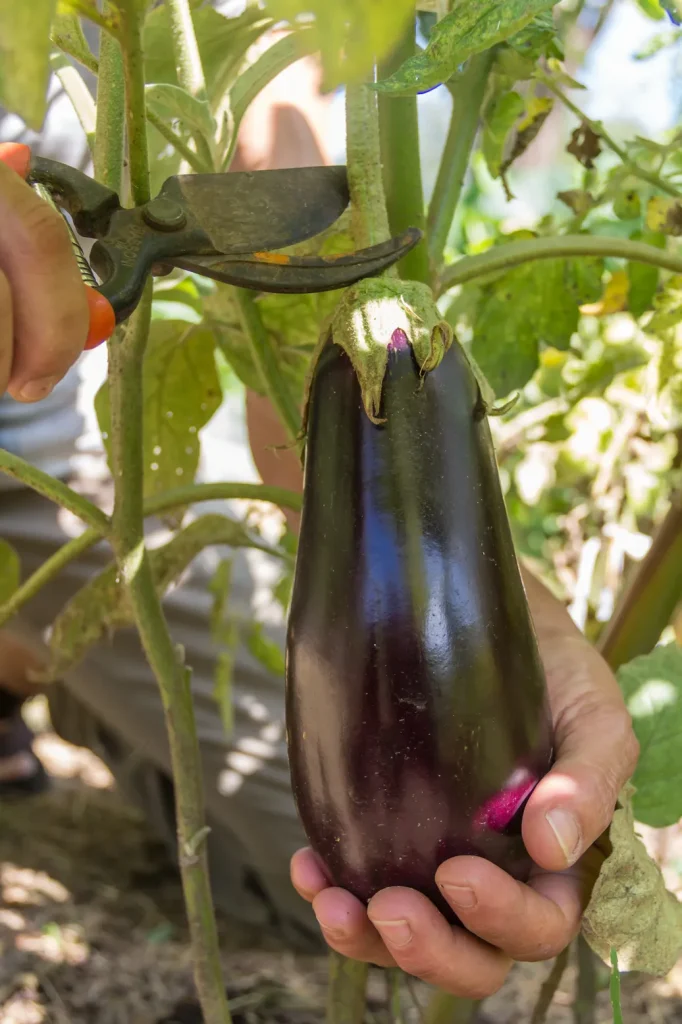
To harvest eggplants, it’s important to check their appearance. They should have firm, shiny skin and a deep color (dark purple or black). The ideal time is between 60 and 80 days after transplanting, when they are approximately 10 to 15 cm in size. Avoid letting the fruit become dull or yellowish, as this indicates a loss of quality. Proper management of the eggplant cultivation ensures that each fruit reaches its optimal condition for distribution.
After harvesting eggplants, it is essential to preserve their freshness:
Maintain constant refrigeration
Avoid bruising during handling
Use appropriate packaging
Maintain the cold chain
At AgroFresh Mexico, we guarantee that the eggplant cultivation arrives in optimal condition thanks to efficient logistics processes.
Tips for improving eggplant production
If you’re looking to optimize your eggplant crop, consider these tips:
- Rotate crops to improve soil health
- Use efficient irrigation systems
- Implement constant monitoring
- Choose resistant varieties
- Train staff in agricultural management
- Commit to sustainable practices
These points help increase yield and quality in eggplant cultivation destined for wholesale markets.
At AgroFresh Mexico, we operate with a responsible approach. Our eggplant cultivation model promotes sustainable practices and creates opportunities for local growers. Every shipment is monitored to ensure compliance with international standards for quality, safety, and presentation. This builds trust with our business partners and ensures a consistent supply.
If you’re looking for a reliable supplier who understands the needs of the wholesale market, at AgroFresh Mexico we’re ready to help you.
Order your supply today and enjoy fresh produce all year round!