The Cold Chain in Fruits and Vegetables: Key to Preserving Quality and Freshness
The cold chain in fruits and vegetables is one of the most important processes for ensuring that food reaches consumers fresh, safe, and with all its properties intact. Maintaining a controlled temperature from harvest to the point of sale helps preserve quality, reduce losses, and offer products with better presentation.
At AgroFresh, we understand that every stage directly influences customer satisfaction. That is why we operate under strict fruit and vegetable preservation processes, ensuring that wholesalers, supermarkets, grocery stores, and retail chains receive fresh products that are ready for sale.
What is the cold chain in fruits and vegetables?
The cold chain in fruits and vegetables involves maintaining the products at appropriate temperatures throughout all stages of handling, storage, transportation, and distribution. This process slows the natural respiration rate of fruits and vegetables, reduces ethylene production, and helps preserve their freshness for longer. In addition, it extends the shelf life of the produce, prevents premature changes in appearance, and reduces the likelihood of mold and bacterial growth.

Why is it essential in the produce industry?
The cold chain in fruits and vegetables has a direct impact on both product quality and the profitability of those who market them.
Among its main benefits are:
Longer-lasting freshness.
Better preservation of flavor and texture.
Fewer losses due to spoilage.
Greater confidence for distributors and consumers.
Improved postharvest quality.
When products retain their natural characteristics, their commercial value also increases, and logistics for perishable goods are optimized.
Why is it important to maintain the cold chain?
Maintaining the cold chain in fruits and vegetables throughout the entire process benefits producers, distributors, and consumers.
Prevention of spoilage
Fruits and vegetables continue to respire after harvest. A controlled temperature slows this natural process and delays ripening, preventing premature losses.
Reducing Losses and Waste
A proper cold chain in fruits and vegetables significantly reduces the number of products damaged during storage and distribution, helping to improve business profitability.
Preserving Texture, Flavor, and Appearance
Proper handling helps preserve:
All of this contributes to better preservation of fruits and vegetables.
Compliance with Quality Standards
Temperature control also promotes food safety, enabling the delivery of products that meet the sanitary standards required by supermarkets, retail chains, and distributors.
Stages of the Cold Chain in Fruits and Vegetables
The cold chain in fruits and vegetables begins at the time of harvest and continues until the product reaches the consumer.
Pre-cooling involves rapidly removing the heat retained by fruits and vegetables after harvest. This process:
- Reduces the product’s respiration.
- Slows ripening.
- Preserves quality.
- Slows natural deterioration.
It is the first step in protecting postharvest quality.
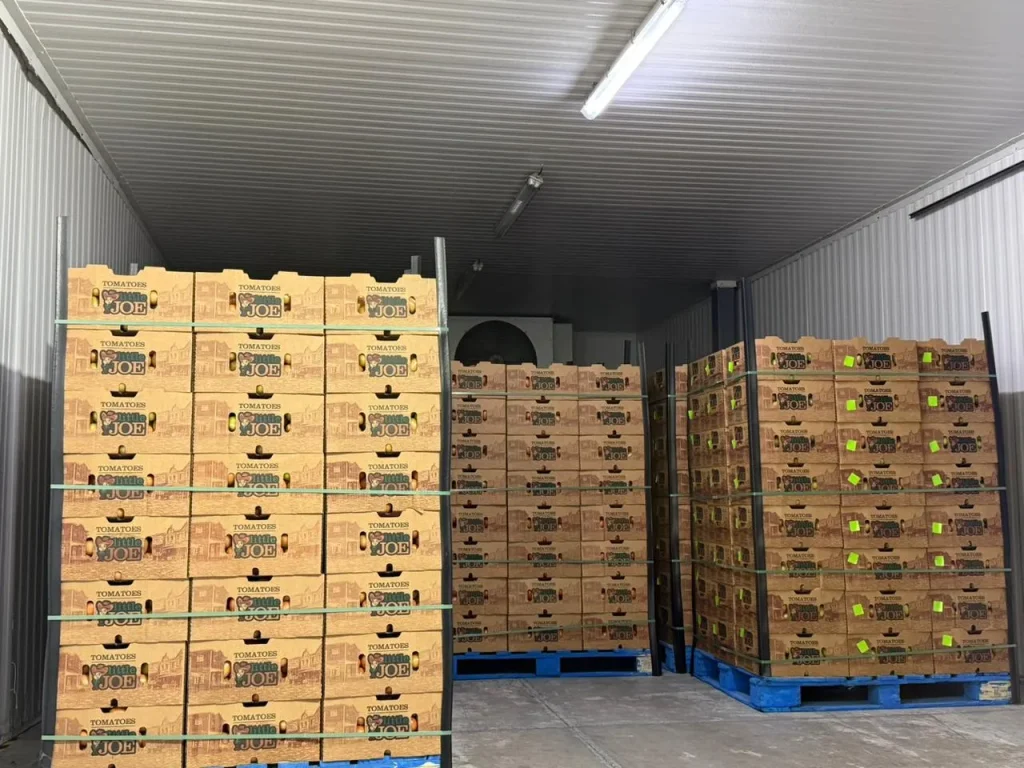
Subsequently, the produce is stored in refrigerated facilities, where each fruit or vegetable is kept under specific temperature and humidity conditions. This control helps to:
- Prevent dehydration.
- Reduce microorganisms.
- Maintain freshness.
- Extend the shelf life of food.
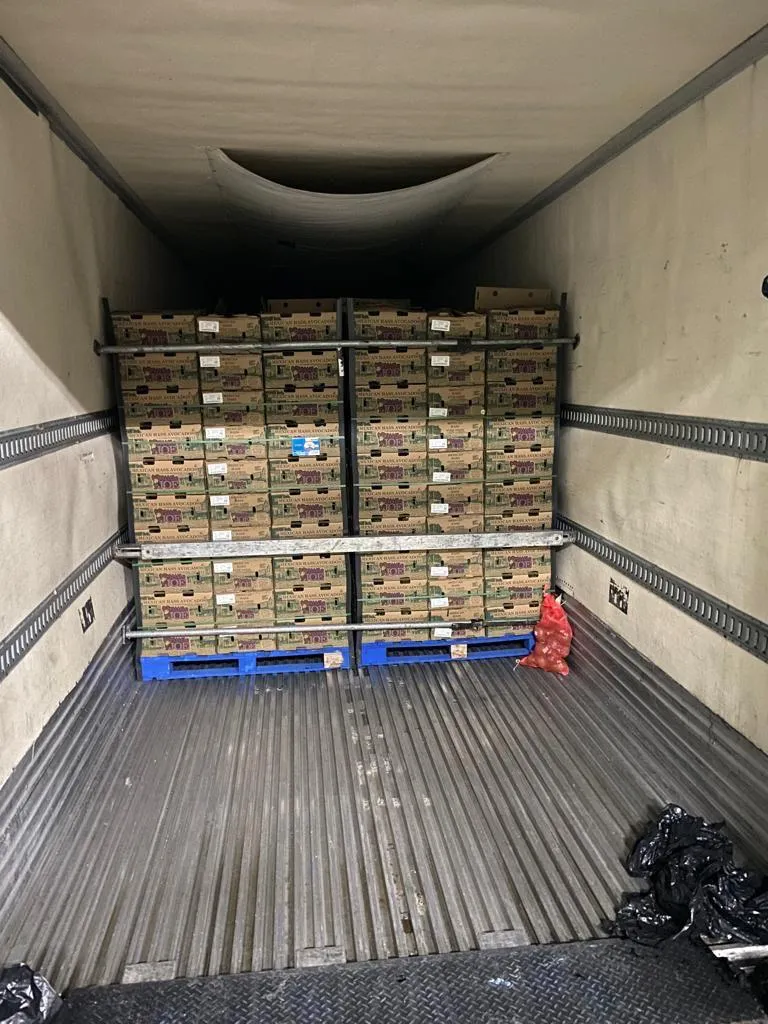
Refrigerated food transport allows products to be moved without altering the conditions maintained during storage. Refrigerated vehicles maintain a controlled temperature, preventing sudden changes that could affect product quality. This stage is essential in the cold chain in fruits and vegetables and is part of efficient logistics for perishable goods.
The final stage involves the distribution of fresh produce to distribution centers, supermarkets, and grocery stores. During this process, it is also important to maintain refrigeration in specialized cold storage rooms and display cases. Finally, consumers help preserve the cold chain in fruits and vegetables by transporting their purchases properly back home.
Consequences of Breaking the Cold Chain
Breaking the cold chain in fruits and vegetables can cause various problems that affect both quality and profitability.
Among the main consequences are:
- Accelerated ripening.
- The growth of mold and bacteria.
- Loss of firmness.
- Color changes.
- Decreased nutritional value.
- Increased food waste.
- Shorter shelf life of the product.
- Impact on food safety.
AgroFresh Mexico: A Commitment to the Quality and Freshness of Fruits and Vegetables
At AgroFresh, we know that a proper cold chain in fruits and vegetables makes the difference between a fresh product and one that loses quality before reaching the consumer. That’s why we use processes designed to preserve freshness at every stage of the supply chain. We have specialized processes for the distribution of fresh produce, consistently supplying:
Wholesalers.
Supermarkets.
Convenience stores.
Retail chains.
Food industry companies.
If you’re looking for a supplier committed to the cold chain in fruits and vegetables, AgroFresh is your best partner for ensuring freshness, quality, and a consistent supply all year round.